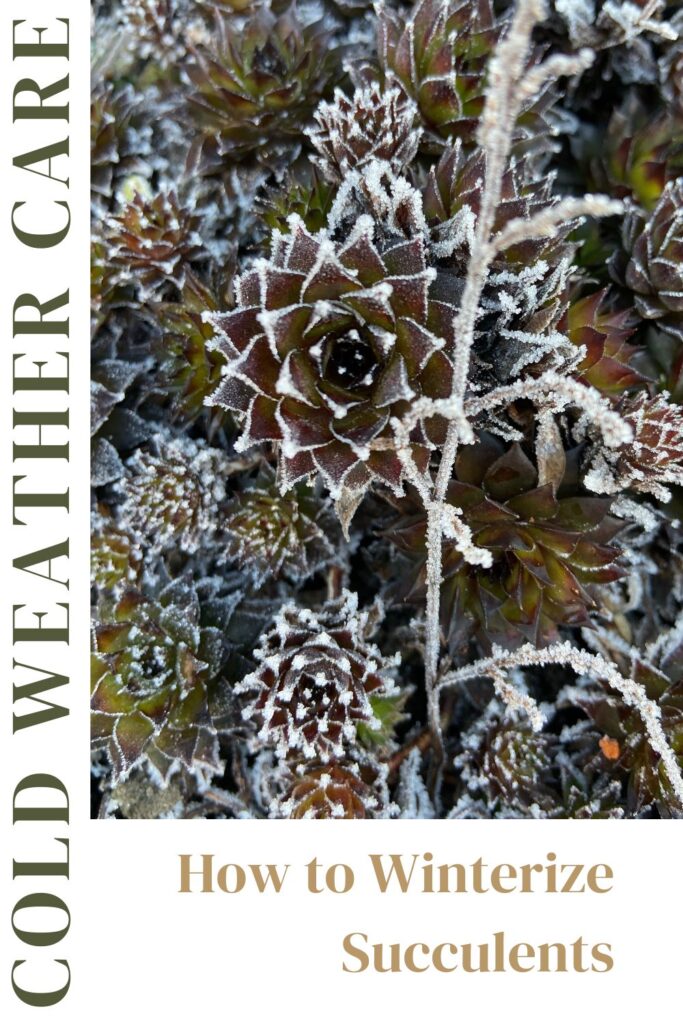
Succulents are cherished for their hardiness and beauty, but even these resilient plants require special attention during the colder months. Whether growing outdoor succulents, tending to tender varieties, or cultivating tropical succulents indoors, winterizing is essential for their survival and health. With the proper preparation, your succulents can emerge from winter in excellent condition, ready to thrive in their next growing season.
This comprehensive guide covers everything from protecting your plants from freezing temperatures to ensuring they get enough light and water.
Know Your Succulent Varieties
Not all succulents are created equal when it comes to surviving cold weather. To provide proper care, it’s important to identify the types of succulents you’re growing.
Cold-Hardy Succulents
These succulents, often called winter-hardy succulents, are adapted to colder climates and can tolerate freezing temperatures. Varieties like the ice plant and certain jade plants are excellent for outdoor gardens in regions with frosty winters. These plants can withstand a light frost and often thrive in well-draining soil with minimal intervention.
Tender Succulents
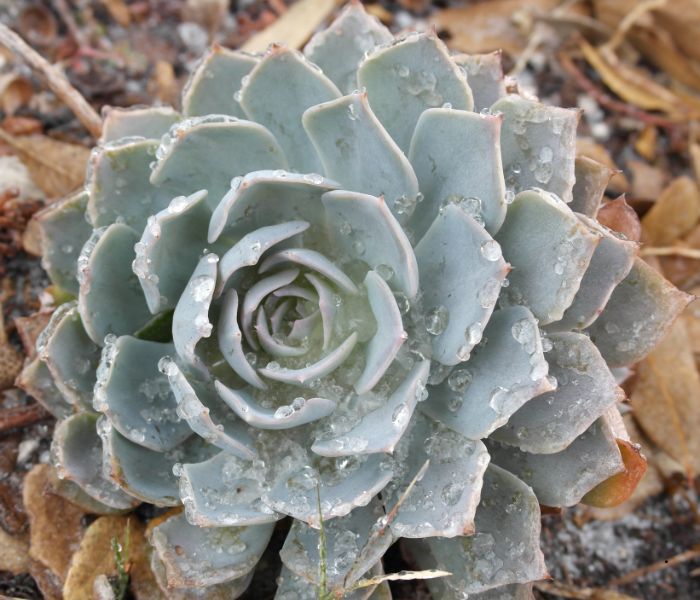
Soft succulents, such as echeveria and aloe, are more sensitive to cold temperatures and require extra care during winter. These tropical succulents should be moved indoors or sheltered when the weather turns cold.
Winter Growers
Some succulents, like aeoniums, have their growing season during the colder months. These plants require frequent watering and enough sunlight during winter, making them a unique addition to your collection.
Understanding your plant’s description and natural preferences is the first step to ensuring it stays healthy throughout the cold season.
Winterizing Outdoor Succulents
Outdoor succulents are most at risk during the cold season, especially in regions with freezing temperatures or high humidity. Here’s how to keep them safe:
Move Potted Succulents to Safety
Before the first frost hits, relocate your potted succulents to a sheltered area like an unheated garage, covered patio, or cold frame. These locations protect the plants from frost while maintaining a stable winter temperature.
Use Well-Draining Soil
Succulents need well-draining soil to prevent water from accumulating around their roots. Excess moisture can cause root rot, especially during the colder months when the soil takes longer to dry out.
Reduce Watering
During winter, succulents enter a period of dormancy and require much less water. As a general rule, only water when the soil is completely dry. Overwatering can damage the plant cells and lead to rot, especially in freezing conditions.
Add a Layer of Mulch
For outdoor succulents planted in the ground, a layer of mulch can help regulate soil moisture and protect the roots from extreme cold.
Cover with Frost Cloths
Cover outdoor succulents with frost cloths or burlap for added protection during particularly cold nights. This is a good idea for hardy plants but still susceptible to occasional frost damage.
Caring for Indoor Succulents in Winter
Indoor succulents are often better equipped to handle colder temperatures, but they still require proper care to thrive:
Provide Enough Light
Succulents need plenty of sunlight, even during the darker winter months. Place your plants near a south-facing window or sunny window to maximize their exposure to direct sunlight.
Invest in a grow light or other artificial light sources if natural light is limited. These lights mimic sunlight, ensuring your succulents receive the light they need to stay healthy.
Maintain the Right Temperature
Keep your indoor succulents at room temperature, ideally between 50–70 degrees F. Avoid placing them near drafty windows, heaters, or areas prone to extreme heat fluctuations.
Water Sparingly
Indoor succulents require even less water during the winter. Monitor the soil moisture and only water when the soil is completely dry. This reduces the risk of overwatering, a common issue during the colder months.
Clean Up Dead Leaves
Regularly remove dry leaves and debris from around your succulents. This improves airflow, prevents pests, and keeps your plants looking tidy.
Additional Tips for Winterizing Succulents
To ensure your plants remain in top condition, follow these expert succulent care tips:
Monitor for New Growth
While most succulents remain dormant in winter, some may show signs of new growth. These plants might need a bit more water and light, so adjust their care routine accordingly.
Protect Young Plants
Succulents that are still young or recently transplanted are more vulnerable to cold weather. Take extra precautions to shield them from freezing temperatures.
Avoid High Humidity
Succulents thrive in dry conditions. High humidity levels can encourage mold or fungal growth, so keep their environment well-ventilated.
Use Frost-Resistant Pots
For outdoor succulents, choose frost-resistant pots with good drainage. This prevents cracking and ensures the plant’s roots remain healthy.
Prepare for Spring
Winterizing is about more than just surviving the cold; it’s also about setting your succulents up for success in spring. By providing proper care now, your plants will emerge strong and ready for their growing season.
Succulent Care Throughout the Winter Months
Winterizing succulents doesn’t have to be complicated. Your plants can thrive in colder climates with a little extra care and attention. Whether you’re protecting cold-sensitive plants or nurturing winter growers, the key is understanding their unique needs and adjusting your routine accordingly.
Focus on shelter, well-draining soil, and reduced watering for outdoor varieties. Indoor succulents should be ensured they receive enough light, maintained at room temperature, and monitored for soil moisture levels.
As you care for your succulents, remember that every step of the way matters. From the first frost to the return of longer days next spring, your efforts will keep these incredible plants in perfect condition.