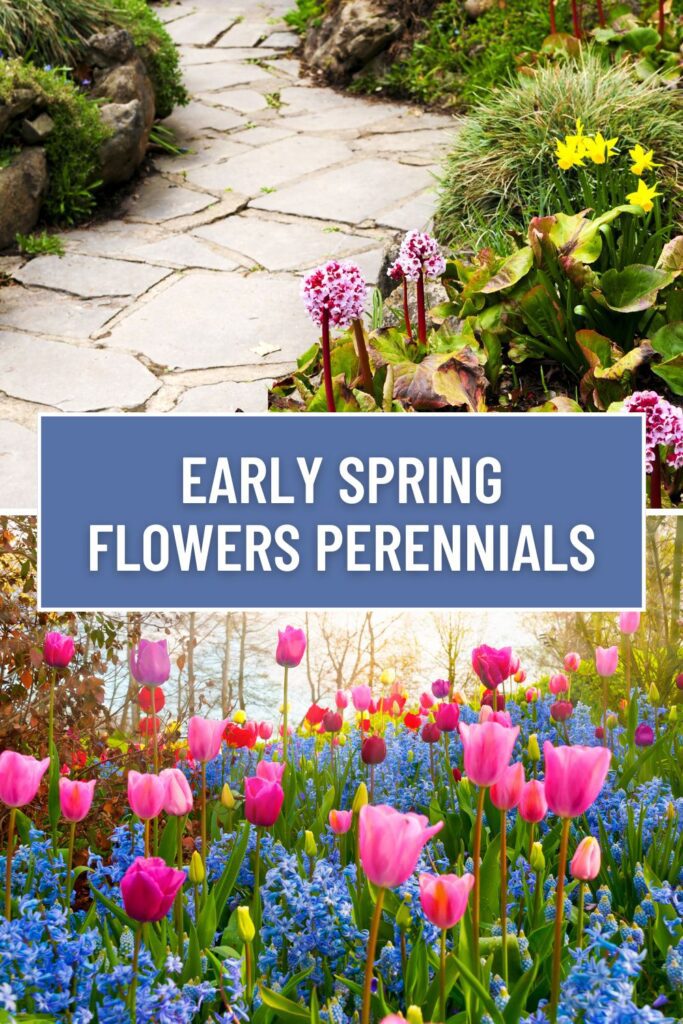
After the long winter blues and cold nights of late winter, Mother Nature offers a heartwarming gift in the form of early spring perennials. These hardy, low-maintenance plants provide a welcome sight after a long winter and signal the start of a new growing season. They bring a burst of vibrant colors and beautiful blooms to any spring garden, from rock gardens to woodland retreats. Whether you have full sun, part shade, or even full shade conditions in your garden, perennial plants can thrive and create an incredible floral display throughout the spring and into early summer.
Why Early Spring Perennials Are Essential
Early spring perennials are often the first flowers to break through the cold soil, providing a first flower that instantly lifts spirits. These plants are celebrated for their durability, long-blooming perennial capabilities, and low maintenance requirements. Many of these hardy perennials are deer-resistant, making them perfect for gardeners in the United States who battle local wildlife. They are a perfect plant for new gardens and excellent additions to existing spring garden arrangements.
Early spring perennials offer several benefits:
- Extended Blooming Period: With some varieties blooming in late winter and others in late spring, your garden can enjoy a continuous display of colors.
- Low Maintenance: Many plants require little maintenance and are adapted to cool weather, making them ideal for gardeners who want a beautiful floral display without constant care.
- Versatility: Suitable for various settings—from full sunflower borders and rock gardens to ground cover in woodland gardens.
- Attract Pollinators: Vibrant colors, fragrant flowers, and food sources for pollinators make these plants an excellent choice for a thriving ecosystem.
Top Early Spring Perennials to Plant in Your Garden
Lenten Rose (Helleborus spp.)
The Lenten rose is one of the best early spring flowers to add to your garden. These perennial flowers bloom in late winter, even before many other plants dare to show their first blooms. Lenten roses produce bell-shaped flowers with white petals, purple hues, and other different colors that add a double take of beauty. They thrive in partial to full shade, making them perfect for woodland gardens or areas with cooler microclimates. These perennials flourish in moist, well-drained soil and are naturally deer-resistant—ideal for gardeners looking for low-maintenance plants that bring long-lasting color.
Grape Hyacinths (Muscari spp.)
Grape hyacinths are another excellent choice when you need early blooming flowers that work well in full sun conditions. These small, trumpet-shaped, fragrant flowers are available in various shades of blue and occasionally purple. They are typically planted as spring bulbs in the fall to ensure a vibrant display in the following spring. Grape hyacinths are perfect for rock gardens, small spaces, and flower borders, and they offer a colorful bloom that adds an incredible sense of hope after a long winter. Their adaptability to well-drained soil conditions makes them a favorite among gardeners who value beauty and resilience.
Pasque Flower (Pulsatilla vulgaris)
For a touch of delicate elegance in your spring garden, the pasque flower is an outstanding option. Known for its early blooming period, this perennial produces soft, bell-shaped flowers in various hues, including subtle purples and pinks. Growing best in full sun and well-drained soil, the pasque flower is an excellent candidate for rock gardens and smaller garden spaces. Gardeners appreciate its ability to thrive in the right conditions, making it a perfect plant for those who want a low-maintenance yet visually appealing perennial garden.
Virginia Bluebells (Mertensia virginica)
Virginia bluebells are prized for their spectacular display of blue flowers that often transition to pink as they mature. These charming perennials flourish in part shade, making them ideal for woodland gardens or areas that receive only dappled sunlight. They thrive in moist, well-drained soil and add an elegant touch to your spring garden. Their ability to handle the cool weather of early spring makes them a popular choice among gardeners seeking a unique and vibrant floral display.
Cushion Spurge (Euphorbia polychroma)
Adding a burst of golden color to your spring garden, cushion spurge is a hardy perennial known for its showy yellow flowers. It adapts well to full sun and partial shade, requiring minimal maintenance. These compact plants are perfect for ground cover or as part of flower borders. Their bright blooms provide an incredible sense of joy in early spring, and their low-maintenance needs make them a favorite for gardeners looking to enjoy a colorful display without constant upkeep.
Heartleaf Brunnera (Brunnera macrophylla)
Heartleaf brunnera is a standout plant in any perennial garden, thanks to its delicate blue flowers and striking foliage. This early spring bloomer thrives in part shade and moist, well-drained soil, making it ideal for shady corners of your garden. It’s also deer-resistant, ensuring your investment in beautiful blooms remains intact. The unique foliage of heartleaf brunnera adds texture to your garden, and its easy care requirements mean that even novice gardeners can enjoy a flourishing spring garden.
Moss Phlox (Phlox subulata)
Moss phlox is a superb ground cover that brings a colorful carpet of blooms to your garden. This low-growing perennial thrives in full sun and well-drained soil, making it an ideal choice for rock gardens, slopes, or even cascading over walls. Available in various shades—ranging from pink and purple to white—moss phlox offers plenty of varieties that ensure your garden has a continuous display of colorful flowers throughout the spring season. Its compact growth habit also makes it a great option for gardeners with small spaces who want to maximize their garden’s potential.
Golden Alexanders (Zizia aurea)
Golden Alexanders produce vibrant yellow flowers that are a food source for pollinators and a beautiful addition to any spring garden. Blooming in early spring, these perennials thrive in moist, well-drained soil, adding a cheerful pop of color to any flower border or perennial garden. Their ability to attract beneficial insects and provide cut flowers for floral displays makes them a versatile and valuable plant for both beginners and experienced gardeners.
Solomon’s Seal
Solomon’s Seal is a graceful perennial that adds delicate charm to your spring garden with its arching stems and bell-shaped, fragrant flowers. Ideal for shady conditions, this plant flourishes in full shade or part shade gardens where many other perennials might struggle. Its subtle white petals and elegant form contrast softly to more vibrant blooms, making it a wonderful complement in mixed perennial beds and woodland gardens.
Bearded Iris
The bearded iris is an excellent choice for those looking for an early blooming flower that doubles as an excellent cut flower. Although more commonly associated with late spring, some cultivars can bloom in early spring, mainly when planted in full sun with excellent drainage. Their showy flowers come in various colors, including purple, blue, and even pink. Bearded iris thrives best when planted in well-drained soil and offers a spectacular floral display that complements other early-blooming perennials.
Expert Tips for Planting and Caring for Early Spring Perennials
Achieving the best results in your spring garden requires a few essential steps, from planting to maintenance. Here’s how you can ensure your early spring perennials thrive:
Choosing the Right Location
- Assess Sunlight Requirements:
Match each plant’s needs with your garden conditions. Many early spring perennials flourish in full sun, such as grape hyacinths and moss phlox, while others, like Lenten rose and Virginia bluebells, prefer part shade or even full shade. Understanding the light requirements is the key to a successful garden. - Consider Soil Conditions:
Most early spring bloomers prefer moist yet well-drained soil. When planting, amend your soil with organic matter such as compost to improve drainage and fertility. For rock gardens, ensure the soil remains loose and well-drained to prevent waterlogging.
Planting Guidelines
- Optimal Planting Time:
It is ideal for planting the best early spring flowers, like grape hyacinths and spring-blooming bulbs, in the fall. This allows the bulbs to establish roots and ensures a spectacular floral display in the following spring. - Use Plant Tags:
Keep track of your new plants by using plant tags. These tags can help you remember the specific varieties and their preferred conditions, ensuring you can care for each plant correctly. - Spacing Considerations:
Give each perennial adequate space to grow. Compact plants like moss phlox and cushion spurge are great for small spaces, but even then, proper spacing ensures air circulation and reduces the risk of powdery mildew.
Watering and Mulching
- Watering Techniques:
Newly planted perennials require consistent moisture until their roots are established. A gentle watering routine during the early days is essential. Once established, many early spring perennials, including pasque flower and heartleaf brunnera, are more drought-tolerant and require less frequent watering. - Mulching for Moisture Retention:
Mulching around your perennials helps to retain moisture and suppress weeds. A 2-3-inch layer of organic mulch is ideal, especially for moisture-loving perennials in cool weather conditions. This also helps to regulate soil temperature and promote a healthy growing season.
Fertilization and Maintenance
- Balanced Fertilization:
Applying a balanced fertilizer in early spring can boost your perennial plants’ growth and blooming potential. Avoid over-fertilizing, as too much fertilizer can lead to lush foliage at the expense of flowers. - Pruning and Deadheading:
Remove spent blooms from early-blooming perennials like Lenten rose and grape hyacinths to encourage fresh growth and prolong the blooming period. Pruning also helps prevent diseases like powdery mildew and keeps plants neat. - Seasonal Care:
Consider cutting back the foliage of plants that have finished blooming in late summer or early autumn. This tidies up the garden and allows nutrients to be stored in the roots for the next season. For perennials that may go dormant during a long winter, ensure they are well-mulched and protected from frost.
Designing a Stunning Perennial Garden
A well-designed perennial garden is more than just a collection of plants; it’s a carefully orchestrated display that harmonizes various elements, from vibrant colors to different bloom times. Here are some ideas to create a garden that thrives in early spring and evolves throughout the year:
Creating a Layered Floral Display
- Mixing Colors and Textures:
Combine the cool blue hues of Virginia bluebells with the warm golden tones of golden Alexanders. Use the delicate, heart-shaped leaves of brunnera to contrast with the fine, cascading blossoms of moss phlox. These combinations create a garden that offers a colorful bloom throughout the spring season. - Layering Bloom Times:
By incorporating early-blooming perennials like pasque flower with later blooming ones such as bearded iris, you can extend your garden’s blooming period. This layering of bloom times ensures that there’s always something to admire, from the very first flower of the season to the later stages of spring.
Special Garden Features
- Rock Gardens and Water Features:
Early spring perennials such as grape hyacinths and moss phlox work beautifully in rock gardens. Their natural, cascading growth patterns blend well with rocky textures. Adding water features enhances the setting, reflecting the delicate blooms and creating a serene garden ambiance. - Ground Cover and Compact Plants:
Consider using ground cover perennials like moss phlox or cushion spurge for small spaces. These plants spread easily and fill gaps, ensuring that even a small garden can have a continuous, colorful display. They are perfect for creating borders or softening the edges of pathways. - Flower Borders and Mixed Beds:
Design your garden with defined flower borders that highlight different textures and colors. Plant a mix of spring-blooming bulbs and perennials to create a vibrant tapestry of color that changes throughout the growing season. Use plant tags to keep track of the different varieties and their unique care requirements.
Special Considerations for Wildlife and Pollinators
- Attracting Pollinators:
Early spring perennials are not only beautiful—they also provide food sources for pollinators. Fragrant flowers like those of Virginia bluebells and golden Alexanders draw bees, butterflies, and other beneficial insects. This natural pollination process is essential for maintaining a healthy garden ecosystem. - Wildlife Protection:
To protect your perennials from deer and rabbits, consider using natural repellents or selecting plants known to be deer resistant. Fencing might also be a viable solution if you experience significant damage.
Overcoming Garden Challenges
While early spring perennials are hardy, gardeners might face some challenges when establishing and maintaining them. Here are common issues and practical solutions to ensure your garden thrives:
Addressing Soil and Drainage Issues
- Ensuring Good Drainage:
Many early spring perennials, such as grape hyacinths and pasque flower, require well-drained soil. If your garden soil is heavy or compacted, amend it with organic matter like compost or sand to improve drainage. This prevents root rot and encourages healthy growth and a vibrant floral display. - Moist Soil Management:
While well-drained soil is essential, maintaining consistent moisture is equally important, especially for moisture-loving perennials like heartleaf brunnera. Regular watering during dry spells and a good layer of mulch will help maintain the perfect balance.
Managing Pests and Diseases
- Powdery Mildew Prevention:
Ensure proper air circulation around your plants and avoid overhead watering to prevent powdery mildew development. This fungal issue can affect many perennials, so maintaining healthy spacing between plants is key. - Frost Protection:
Even though early spring perennials are hardy, unexpected late frosts can damage delicate blooms. Use frost cloths or temporary covers during chilly nights to protect your new plants. This extra step can make a significant difference, especially in regions that experience a long winter.
Maintenance Tips for Long-Lasting Blooms
- Regular Deadheading:
Removing spent blooms encourages new growth and prolongs the blooming season. This practice is particularly important for long-blooming perennials like Lenten rose and Virginia bluebells. Regular deadheading also helps prevent disease by reducing decaying plant material. - Seasonal Clean-Up:
At the end of the growing season, clear away dead leaves and spent stems to prepare your garden for the next cycle. This seasonal clean-up not only improves the garden’s appearance but also helps in preventing pests and diseases during the dormant winter months.
Incorporating Seasonal Changes into Your Garden Design
Early spring perennials set the stage for a beautiful garden, but a well-thought-out design considers the changes through late spring, early summer, and even late summer. Here’s how to plan a garden that evolves gracefully with the seasons:
Transitioning from Early Spring to Late Spring
- Early-Blooming Perennials:
Start with early spring bloomers like pasque flowers, grape hyacinths, and Virginia bluebells. Their delicate blooms and vibrant colors create a stunning early display. As the season progresses, these plants provide a double take of beauty that sets the tone for the months ahead. - Late Spring Blooms:
Introduce perennials that bloom later in spring, such as bearded iris and certain cultivars of spring-flowering bulbs. This transition extends the blooming period and introduces vibrant colors and textures to your garden.
Extending the Blooming Season into Early Summer and Beyond
- Early Summer Flowers:
While early spring perennials are the season’s stars, complement them with early summer bloomers to ensure a continuous display of colorful flowers. Many perennial plants adapt well and offer blooms well into early summer. - Late Summer and Fall Interest:
Your garden can thrive with late-summer flowering perennials even as the weather warms. Consider adding species that provide beautiful blooms and serve as cut flowers for your indoor floral displays. This layered approach creates a garden that evolves throughout the entire growing season.
A Glimpse into Different Garden Settings
Not every garden is the same, and early spring perennials can be tailored to fit various garden settings and styles. Here are a few examples to inspire your garden design:
Rock Gardens
Rock gardens showcase perennials that thrive in well-drained, rocky soil. Plants like grape hyacinths and pasque flower add vibrant color against a backdrop of stones and gravel. Their natural adaptability to full sun and ability to flourish in small spaces make them perfect for these specialized garden settings.
Woodland Gardens
Choose perennials that perform well in full or partial shade conditions for a woodland garden. Lenten rose, Virginia bluebells, and Solomon’s Seal are excellent choices that blend seamlessly with the dappled light filtering through trees. Their delicate blooms and subtle fragrances create a serene and enchanting atmosphere.
Small Spaces and Container Gardens
Even with limited space, early spring perennials can transform your garden or patio. Compact plants like moss phlox and cushion spurge are ideal for container gardens, while heartleaf brunnera and certain spring-flowering bulbs add beauty to small spaces. Containers allow you to arrange your perennials creatively, making them a versatile option for urban gardens.
Gardens with Water Features
Integrating water features into your garden can amplify the beauty of early spring perennials. The reflection of colorful blooms on the water’s surface enhances the overall visual appeal. Plants that tolerate moist soil, such as Virginia bluebells and golden Alexanders, thrive around water features, providing a balanced ecosystem that attracts pollinators and birds.