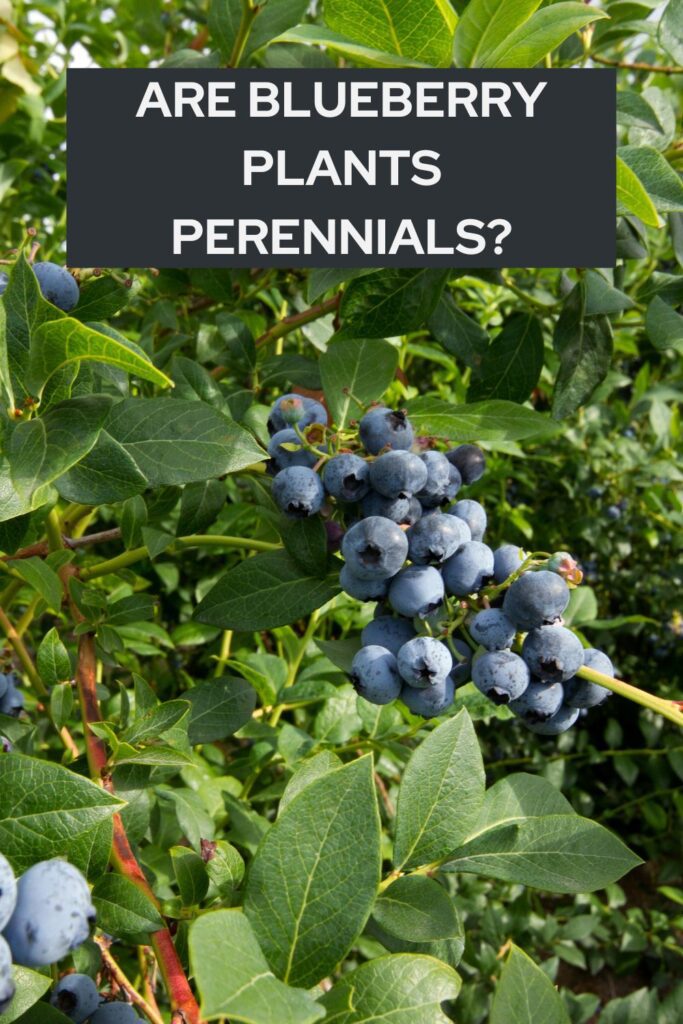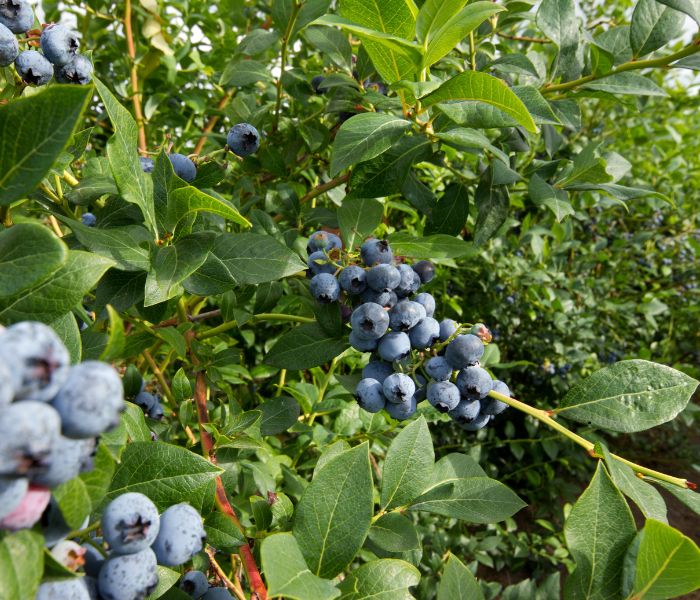
Blueberry plants are perennials, meaning they live for more than two years and can continue producing fruit season after season. They can thrive and produce bountiful crops for decades when cared for properly. Understanding how to care for blueberry bushes is key to ensuring long-term health and fruit production.
Why Are Blueberry Plants Perennials?
Blueberry plants are classified as perennials because they go dormant in late winter and early spring and return to life during the growing season. During dormancy, their shallow root system continues to absorb nutrients, preparing them for the next season’s growth. Over time, older plants become more resilient and capable of producing much fruit, especially when growing conditions are optimal.
Ideal Growing Conditions
Blueberries are acid-loving plants, thriving in acidic soil with a pH between 4.5 and 5.5. Maintaining the right soil pH is one of the first things to ensure healthy plants. If the soil is too alkaline, blueberry plants may suffer from transplant shock and struggle to absorb essential nutrients.
Adding organic matter, such as peat moss, is an excellent way to improve soil quality. Peat moss helps maintain soil moisture, which is critical for blueberries’ shallow root system, especially in sandy soils. Organic mulches like pine needles and wood chips at the base of the plant also help conserve moisture and regulate soil temperature.
Preparing for the Growing Season
In early spring, blueberry plants begin forming flower buds, which will eventually lead to fruit. This period is crucial for ensuring that plants receive regular watering, particularly if grown in partial shade. Blueberry bushes need about an inch of water per week to prevent a loss of water that can stress the plants.
If you’re starting your blueberry patch from blueberry seeds, know that plants grown from seeds take longer to mature compared to those purchased from a nursery or grocery store. Established bushes, however, can begin fruiting within a few years of planting.
Fungal Diseases and Other Challenges
Like any other plants, blueberries are susceptible to fungal diseases, especially when growing conditions are less than ideal. Overwatering or poor drainage can lead to root rot, and damp conditions can encourage fungal growth. Keep an eye on soil moisture to avoid these issues.
Blueberries prefer well-drained soils, and regular monitoring of soil moisture is essential to prevent fungal disease. In late summer, cut back on watering slightly to help the plants prepare for their dormant period.
Caring for Older Blueberry Plants
As your blueberry bushes age, they’ll need a bit of extra care to stay productive. Pruning during the late winter months is essential for removing old wood and encouraging new growth. Pruning helps prevent fungal disease by improving air circulation and allows more light to reach the base of the plant. Older plants may also benefit from a light top dressing of organic matter to boost their vigor.
By providing the right soil, water, and care, your blueberry plants will continue to thrive for years, producing delicious fruit with each growing season. Whether you’re planting new bushes or tending to established ones, a focus on maintaining acidic soil, protecting against transplant shock, and regular watering will help keep your blueberry plants healthy and productive.