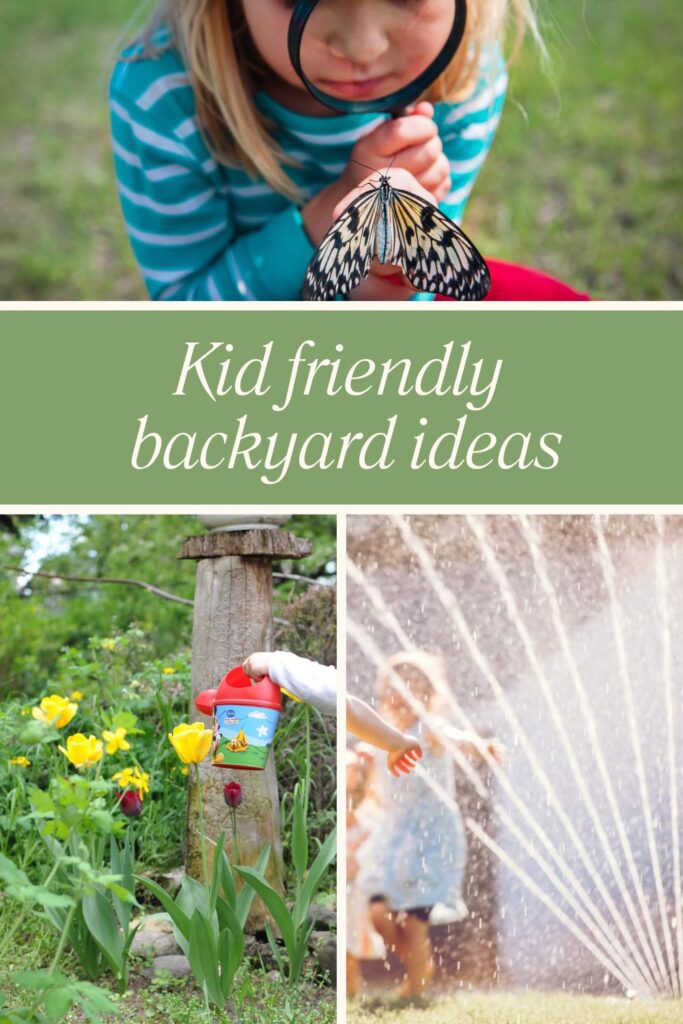
Creating a kid-friendly backyard is a wonderful way to encourage children to get outside, stay active, and use their imaginations. In today’s screen-filled world, turning your own backyard into a fun play zone lets kids burn off energy and make lasting family memories right at home. The best part is that you can design an outdoor space that kids of all ages will love, while still having areas the whole family can enjoy together. Whether you have toddlers or teens, a large lawn or a small backyard, there are plenty of fun backyard ideas to inspire you. Let’s explore a variety of tips and projects, from active games to creative play, so you can find the best options to create a kid-friendly yard that the entire family will adore.
Planning a Kid-Friendly Backyard
The first step in creating a play-friendly yard is good planning. Start by considering your children’s ages, interests, and the layout of your space. For the littlest children, safety is the top priority; you’ll want age-appropriate play structures and a clearly visible play zone where you can easily supervise. For example, toddlers might play in a designated area near the house with soft ground and simple toys, while older ones may roam more freely and enjoy bigger adventures further out in the yard. It’s a good idea to map out different outdoor play areas: perhaps one for active games, one for messy sensory play, and a quiet corner for reading or nature exploration. Think about sightlines (so you can see kids at play) and convenience (for instance, keeping a sand box close to the patio for easy clean-up). Also, involve your kids in the design, letting them help choose features gives them a sense of ownership over their own space, which is the best thing to get them excited about playing outside.
When planning, aim for a mix of temporary and permanent elements. Many play structures come in kits from retailers like Home Depot, and some can be DIY or moveable, while others might be a more permanent installation. A balance is key: portable items (like pop-up tents or small slides) can be stored when not in use, useful if you have limited room, while sturdier structures (like a playhouse or climbing frame) create a lasting playscape. Even with permanent fixtures, choose designs that can adapt as your kids grow. Remember, keeping things flexible and open-ended allows the yard to evolve from toddler imaginative play to teen hangouts over the years.
Physical Play and Active Fun
Sturdy playsets with swings, slides, and climbing elements give kids healthy outlets for play and exercise. Classic swing sets or jungle gyms are the heart of a kid-friendly backyard. Children love equipment they can climb, swing, and slide on, not only because it’s a ton of fun, but also because it helps build their strength and confidence. A basic set might start with a couple of swings for different ages (bucket swings for babies and belt swings for bigger kids) and a slide. You can expand it with features like a tire tree swing or a small climbing wall attachment as your kids grow more adventurous. Active play like this gets kids moving and contributes to better physical activity habits and even improved health and learning.
For additional excitement, consider other play equipment to keep kids moving. If you have big trees and plenty of space, backyard zip lines or a rope obstacle course can be a great way to entertain older kids (just be sure to follow safety guidelines). You can also set up simple sports options: a grassy area can host a soccer net, or a paved spot could fit a basketball hoop. Simple classic games never go out of style; games like tag, hide-and-seek, or jumping rope require no setup but keep kids moving and laughing. You can even lay out a mini backyard obstacle course using items like cones to zigzag through and hula hoops to jump in and out of, a fun way to challenge them and burn off energy. All these activities help build strength and coordination, supporting their physical development.
Water Activities and Splashy Fun
Sprinklers, splash pads, and water toys can turn a summer day into a backyard adventure. When the weather heats up, nothing beats water play for keeping kids entertained and cool. There are many water features you can incorporate, from simple to elaborate. For instance, set up a shallow kiddie pool or even just a sprinkler on the lawn for little ones to splash around (always supervise around water, even if it’s only a few inches deep). A sturdy plastic water table is another great idea for toddlers and preschoolers; they can scoop and pour to their heart’s content, and maybe even learn a bit about cause-and-effect as they play.
If you want to go further, consider a mini splash pad. You don’t have to install an expensive in-ground version. There are affordable portable splash pads that attach to a garden hose and spray water like a fountain. These come in lots of fun designs and are perfect for young kids, even in a tiny yard. Older children can get in on the fun too: set up a good old-fashioned slip-and-slide, have water balloon battles, or let them run through the sprinklers. They’ll have just as much fun as at a pool, with far less hassle. Whatever form of watery fun you choose, pick a flat area on the grass (real or artificial grass) for good drainage and to avoid slips. And always empty out any pool or dump any standing water after playtime, safety first (and it keeps mosquitoes away). Summer is the perfect time for outdoor water fun, and a little water can lead to big smiles.
Sensory and Creative Activities
Kids enjoy tactile play like sand and water outdoors. Not all backyard fun has to be about running and jumping; kids also thrive when they can engage their senses and creativity outdoors. A sandbox or sand play area is a classic sensory addition that provides endless opportunities for digging, building, and pretend cooking. Kids never tire of playing in the sand – they might build castles, drive toy trucks, or bake “mud pies.” If you don’t want a permanent sandpit, you can use a portable bin as a sand box and cover it when not in use to keep it clean.
Creative arts and imaginative activities are great outside because the mess stays outdoors. Consider mounting a large board painted with chalkboard paint on a fence or wall to serve as an art canvas (just remember, the regular kind isn’t meant for outdoor use, so choose an exterior-grade paint that works with chalk). Armed with colorful sidewalk chalk, kids can draw murals, sketch a hopscotch grid, or pretend the driveway is a racetrack for their bikes. When it rains, the chalk washes away, and they can start fresh next time. You can also set up an arts-and-crafts station at a child-sized picnic table or simply spread out an old sheet on the grass for painting projects. The outdoors is an ideal studio for messy art like finger painting because spills are no big deal on the lawn.
Don’t forget to encourage pretend play and make-believe. Even something simple like a tent or cardboard fort in the yard can become a pirate ship or princess castle in a child’s imagination. Children love having little nooks where they can play out stories. Some families also create a music wall by hanging chimes or pots on a fence, a fun addition for kids who love to make noise. A store-bought playhouse or a DIY tree fort can spark endless adventures, but so can creating a “mud kitchen” with old pots and pans or arranging a circle of tree stumps as a fairy tea party area. By providing a variety of sensory and creative outlets, you’ll keep children engaged and let their imaginations run wild in your backyard.
Gardening and Learning Opportunities
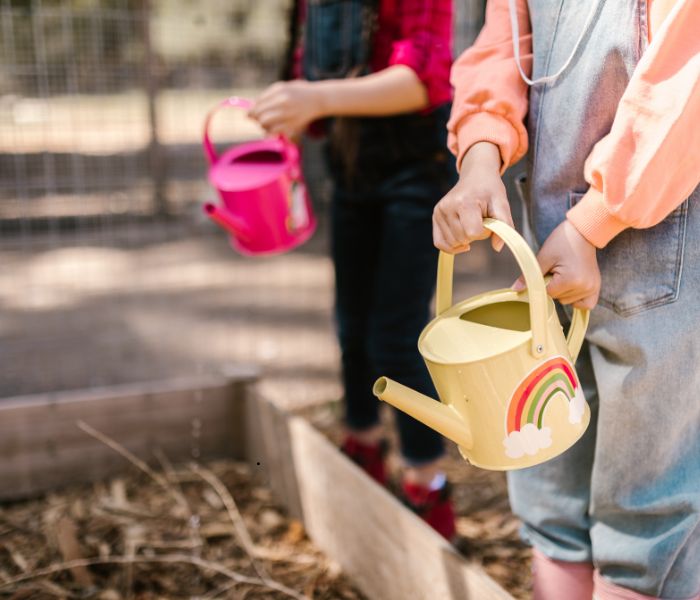
A kid-friendly backyard can also double as an open-air classroom. Planting a vegetable garden is a fantastic way to teach kids about nature while having fun. Giving children a small plot or a raised planter box of their own teaches them about responsibility and patience. Even the youngest helpers can participate with simple tasks like watering plants, sprinkling seeds, or picking ripe veggies. Try fast-growing, kid-friendly crops like cherry tomatoes, strawberries, lettuce, or sunflowers to keep them interested. Little ones are amazed to see something they planted grow and bear fruit (and a picky eater might be more willing to taste a vegetable they grew themselves!).
Beyond gardening, think of other quiet learning spots you can include. A few garden beds with herbs can create a sensory garden where kids smell mint and lavender or watch butterflies visit. You could also set up a nature exploration corner: maybe a log or rock pile to peek under for bugs, a bird feeder or birdbath to observe visitors, or a simple weather station where kids can track rain and temperature. Even playtime can have learning elements – for example, use a chalk hopscotch court to practice numbers or letters, or set up a cozy reading blanket under a tree for story time outdoors. As any preschool teacher will tell you, kids learn best through play. Even simple chores or games can turn into educational activities when children are curious and involved, so your backyard becomes not just a play space but a place of discovery.
Seasonal Considerations for Year-Round Fun
A truly family-friendly yard offers something to enjoy in every season, and if you live in a mild climate (say, Southern California), you might find your family outside all year long! In summer, focus on ways to beat the heat: provide shade with a canopy, umbrella, or tree, and include those water activities we mentioned to help kids cool off. Summer evenings are ideal for family gatherings. You could hang up string lights or set out lawn chairs for casual stargazing. Warm nights also make a great backdrop for outdoor movie nights: hang a white sheet or set up an inflatable screen, and enjoy a mini movie theater under the stars with blankets and popcorn.
In the fall, take advantage of cool, crisp weather. The changing leaves themselves bring simple joys – kids love jumping into leaf piles or using leaves for nature crafts. Autumn is also a nice time to enjoy the harvest from your garden or to decorate the yard with pumpkins for Halloween. When the evenings get chilly, a small fire pit is a great addition for cool nights, perfect for roasting marshmallows (with adult supervision, of course). A portable patio heater can also extend your outdoor season into the cooler months.
In wintertime, in colder climates, you might not use the backyard as much, but you can still encourage play on snow days by building snowmen, making snow angels, or staging a backyard snowball fight. Be sure to store away or cover any delicate equipment during harsh weather so it’ll be ready to go when spring arrives.
Every season has its charms, so design your backyard to be flexible. Maybe that means having some toys that are easy to bring out and put away as needed. The goal is to make your yard a place where your family can keep spending time together outdoors, whether it’s a sunny summer morning or a frosty winter afternoon.
Safety First: Creating a Safe Play Area
Nothing is more important than making sure your yard is a safe space for children to play. Start by removing obvious hazards and keeping the area tidy. Check your yard for any toxic plants or dangerous materials. Many common garden shrubs (like oleander or foxglove) can be poisonous if ingested, so it’s wise to identify and remove anything that might harm curious little ones. Also, keep tools, chemicals, and sharp objects securely out of reach. If you have a pool or pond, use secure fencing and locked gates as required by law. And if your play area borders a street or driveway, ensure there’s a fence or barrier so kids can’t wander into traffic.
The best way to prevent fall injuries is to install a cushioned kid-friendly ground cover under any play equipment. Grass alone can get slippery or turn to mud, and natural grass often wears down to hard dirt under swings and slides. Instead, consider softer materials: a thick layer of wood chips or bark mulch, rubber mulch, sand, or pea gravel can all help absorb impact from falls. For example, a generous layer of wood chips under a swing set or slide will help soften any tumbles. If you want a clean, low-maintenance lawn that can handle heavy play, artificial turf is another low-maintenance option that stays green and even year-round.
Finally, choose sturdy play structures appropriate for your kids’ ages and supervise actively, especially with the little ones. Anchor any large equipment (swings, slides, climbing frames) securely according to the manufacturer’s instructions so it won’t tip over. If you set up an elevated playhouse or tree fort, make sure there are railings to prevent falls. For trampolines, always use a safety net. Be cautious with fire or heat sources, too. If you have fire features, establish a clear rule that kids must stay a certain distance away, and never leave them unattended near open flames. By taking these precautions and doing regular safety checks, you’ll have peace of mind knowing your backyard is a safe place to play.
Storage and Outdoor Maintenance
A well-designed play space should include smart storage solutions to keep things tidy and safe when not in use. Toys and play gear left scattered around not only make the yard look messy, they can also be tripping hazards (nothing hurts like stepping on a stray building block in bare feet!). Try to give each item a home. For example, use a weatherproof deck box or storage bench on the patio area to hold balls, water toys, and art supplies. A small shed or large plastic bin can corral bigger items like ride-on cars and scooters.
It also helps to pick materials that can stay outdoors year-round so they last longer. Look for durable, weather-resistant versions of items: plastic or treated wood for furniture, and fade-proof fabrics for things like swing canopies. Check play structures and surfaces periodically for wear and tear. For instance, tighten any loose bolts on the swing set, make sure metal parts aren’t rusting, and replace any torn protective netting on trampolines. A quick seasonal inspection and cleaning is wise to keep everything in top shape. The great thing is, cleanup can even be turned into a fun game for the kids. With a little organization and upkeep, your backyard play area will stay safe, fun, and ready for action at any time.
Designing for Small Backyards
Don’t worry if your yard is on the smaller side, even a tiny outdoor area can become a fun play zone with some creativity. The key is to make the most of every inch and choose multi-purpose items. Use vertical elements whenever possible. For example, a blank fence or exterior wall can double as a play feature: you might hang a chalkboard or install a little climbing panel to create a mini rock-climbing spot. A patio or driveway can be an ideal spot for games like hopscotch or four square with painted lines. And if there’s a narrow side path, that side yard could become a mini racetrack for tricycles or scooters.
Opt for play items that are portable or easily stored. Instead of a big swing set, you could get a small toddler swing that hooks to a porch beam, or a collapsible play tent that pops up for playtime and folds away afterward. Foldable slides, inflatable games (like a mini bounce house), or roll-out play mats (for a quick game of Twister or a small splash pad) are perfect for a space that serves multiple uses. When playtime is over, they can be packed up to free the area for other activities. Also, try to integrate storage right into the play space, for example, a bench or deck box that holds toys, so the yard isn’t cluttered. In a small space, a little organization goes a long way.
Finally, consider creating the illusion of more space. Mirrors or trellises on a fence can add a sense of depth, and keeping the area uncluttered will make it feel larger. With thoughtful planning, even a small backyard can pack in plenty of play and adventure for your kids.
Ideas for Large Backyards
If you have a big backyard, you have room to dream big, but it’s still wise to plan zones so the space is used well. In a large area, you can designate different sections for different types of play. For example, one corner might have a playset and sandbox for little kids, another area could be left open as a field for sports and games, and another section might be a chill-out spot with seating or a hammock. Separating play areas with natural borders (like shrubs or flower beds) or paths can make a large yard feel organized and inviting.
With more square footage, you can also consider adding attractions that wouldn’t fit in a small yard. Dreaming of a treehouse? Go for it, a real treehouse or a sizable raised fort will be a thrill for the kids. You could even install a zip line across part of the yard or set up a trampoline (with a safety net, of course) for endless bouncing fun. Some families create an entire built-in obstacle course or “ninja warrior” setup in a big yard, maybe a balance beam, monkey bars, and a rock wall for climbing. Just be sure to space things out for safety and tailor the challenges to your children’s ages.
A large yard also gives you the opportunity to include features for everyone in the family. You might add a patio for outdoor dining or a fire pit for cozy evenings. If you entertain often, having a mix of kid-friendly areas and adult hangout spaces keeps everyone happy. And remember, you don’t have to fill every inch, kids also love having open lawn to run around on or quiet nooks to escape to with a book. With thoughtful planning, a large yard can offer something for everyone.
Bringing It All Together
Designing a backyard for kids is all about balance. You want a space that’s fun and exciting for them, but also comfortable and functional for adults. By mixing active games, creative projects, and family hangout spots, you can create an outdoor haven that feels like an extension of your home. Remember to keep things flexible, safe, and tuned to your children’s interests. From the sandbox days of toddlerhood to the barbecue nights of the teenage years, your yard can grow with your family. With the right planning and a little effort, your backyard will become a safe haven of adventure and relaxation for children of all ages. So get inspired, involve the kids in the process, and turn those ideas into reality – a playful paradise is waiting just outside your door.