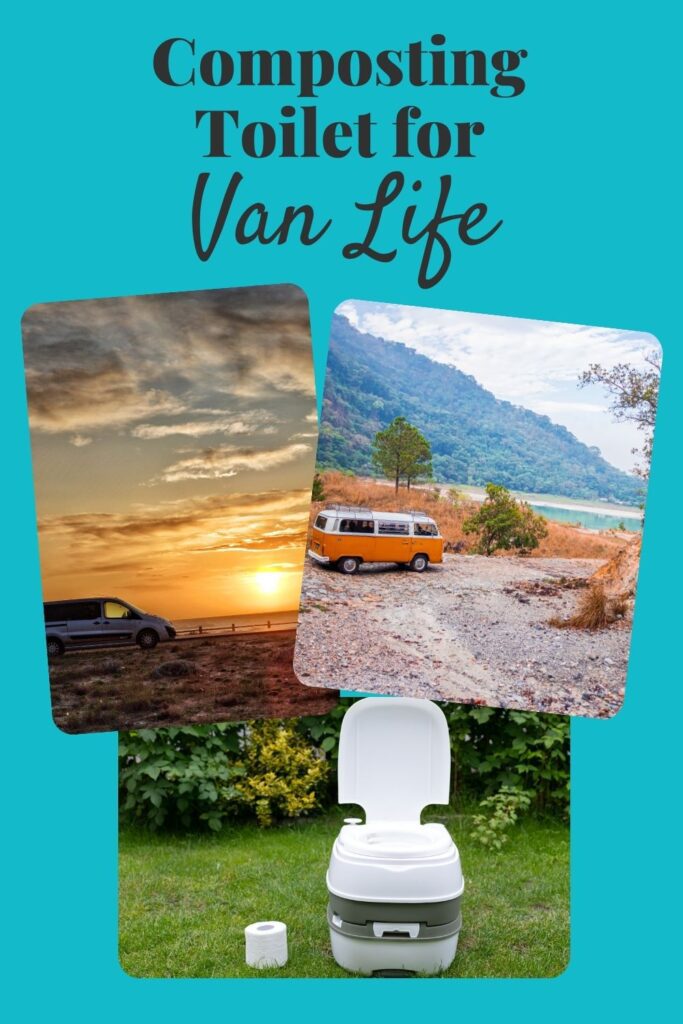
Van life is about freedom, sustainability, and maximizing every square inch of your tiny home on wheels. Many van lifers have found that a composting toilet is a game-changer when handling human waste while on the road.
Understanding Composting Toilets
Composting toilets use natural processes to break down human waste into compostable material. Unlike traditional flush toilets that require a constant water supply and rely on a black water tank, composting toilets are self-contained systems designed for off-grid living. They combine organic matter, such as used toilet paper, with a compost medium like peat moss, coconut coir, or coco coir to create a compost pile over time.
How the Composting Process Works
At the heart of every composting toilet is the composting process. In many models, organic material is mixed with additives like peat moss to help absorb excess moisture and balance the carbon-to-nitrogen ratio. Some designs even include agitator arms to mix the waste with fresh organic material periodically. A urine diverter is another common feature in many units. This component channels urine into a separate liquid container or pee tank, reducing moisture in the compost bin and improving the efficiency of the composting process.
The system is engineered to break down solid waste and a small amount of liquid, sometimes using a dry flush toilet mechanism that minimizes unpleasant odors. Many composting toilets incorporate a carbon filter, vent hose, or a small fan to manage odors and facilitate air circulation.
Why Choose a Composting Toilet for Van Life?
Maximizing Small Spaces
Space is a premium commodity when you live in a van, and every square inch matters. Composting toilets come in compact designs, making them ideal for small spaces where traditional pit toilet or bulky flush toilets won’t work. Their small size and portability make them an attractive option for campervan toilet setups, and many models are designed with dedicated compartments that fit easily into your van’s layout.
Environmental Impact and Sustainability
One of the most significant benefits of a composting toilet is its reduced environmental impact. By avoiding the need for a continuous water supply, you’re conserving fresh water and avoiding the complications of a black water tank. The natural processes involved in breaking down organic matter mean you’re transforming waste into a useful compost bin output, which can even be repurposed for gardening in some situations. For many van lifers, turning waste into a resource is practical and deeply aligned with a sustainable lifestyle.
Avoiding Dump Stations and Public Restrooms
Finding a public restroom can be challenging when you’re on the road, especially in urban areas or remote public lands. Traditional options like chemical toilets, cassette toilets, and public restrooms come with limitations, from unpleasant odors to limited availability. With a composting toilet, you gain independence from dump stations and public toilets, allowing you to manage your waste disposal. This self-contained system allows you to use it during the middle of the night or on long road trips without worrying about local regulations or extra costs associated with traditional toilet systems.
Key Features to Consider
Before purchasing or building your composting toilet, it’s important to consider the various features affecting ease of use, maintenance, and overall functionality.
Urine Diverter and Pee Tank
A urine diverter is a key component for many composting toilets. Separating liquids from solids prevents your compost bin from becoming too wet, which is essential for maintaining an effective composting process. Some systems even incorporate a dedicated pee bottle or pee tank to handle liquid waste, making them particularly effective for daily and off-grid living.
Solid Waste Management
Managing solid waste is equally important. Many composting toilets feature a solids bin or waste tank with a trap door that easily removes composted material. Some designs use a plastic bag liner or a trash bag system for quick and hassle-free waste disposal. Look for models that offer agitator arms or a mechanism to stir the compost pile, ensuring that used toilet paper and organic material break down efficiently.
Ventilation and Odor Control
A small fan or carbon filter can make a significant difference in controlling unpleasant odors. Vent hoses help to expel odorous air, and many modern designs include features to manage airflow automatically. This is crucial when parked in confined spaces or urban areas where strong odors can become an issue.
Compact and Portable Designs
Van lifers require toilets that are both portable and efficient in small spaces. Many portable composting toilets are designed to be lightweight, with compact designs that fit neatly into a tiny home or camper van. Look for models with a dedicated toilet seat that’s comfortable and durable, ensuring the unit remains user-friendly during full-time use or occasional trips.
Ease of Installation and Maintenance
The best composting toilet for your van life should be easy to install and maintain. Whether you opt for a permanent installation or a portable system, you want a design that doesn’t add extra cost or complexity to your life. Systems with a straightforward trap door mechanism for waste disposal and clear instructions on maintenance can make a big difference in your daily routine. It’s also a good idea to consider local regulations regarding waste disposal and ensure that your chosen unit complies with them.
Comparing Composting Toilets to Traditional Options
Traditional Flush Toilets and Chemical Toilets
Traditional flush toilets and chemical toilets, including cassette toilets, require a constant supply of water and often result in the creation of raw sewage or rely on a black water tank. These systems are not ideal for off-grid living, as they necessitate frequent visits to dump stations and can be cumbersome in small spaces. In contrast, composting toilets provide a self-contained solution that minimizes water usage and reduces the need for public restrooms.
Pit Toilets and Dry Flush Options
Pit toilets are another alternative, but they usually require a dedicated space and are unsuitable for mobile living. On the other hand, dry flush toilets often serve as a middle ground between conventional toilets and composting systems. However, they may not offer the same level of environmental benefits or ease of waste disposal that a well-designed composting toilet can provide.
Innovative Options for Van Lifers
For full-time travelers and urban adventurers alike, options like the Nature’s Head composting toilet or the Origin series offer a mix of durability and compact design. For enhanced performance, some models even incorporate features like a trap door, a urine separator, and agitator arms. Products such as the Cuddy Lite have been engineered specifically for small spaces, making them a good idea for anyone looking to upgrade from traditional RV toilets or chemical toilet systems.
Practical Considerations for Van Life
Managing Waste on Public Lands and Off-Grid Living
When traveling on public lands or practicing off-grid living, it’s important to be mindful of environmental impact and local regulations. A composting toilet is an excellent option because it turns solid waste into a compostable material that, when managed correctly, can be disposed of responsibly. The composting process, using organic material like coconut coir or coco coir mixed with peat moss, transforms waste into a benign compost pile that, in some cases, may be repurposed for gardening.
Working with Water Sources
Water conservation is a significant consideration for van lifers, particularly those relying on limited water sources. Unlike traditional flush toilets that require a freshwater tank, composting toilets use minimal water, making them ideal for off-grid living. This reduced reliance on water also eliminates the need to constantly manage a black water tank, offering a more sustainable and efficient solution.
Navigating Local Regulations
Before installing a composting toilet in your van, it’s essential to understand the local regulations regarding waste disposal. Some areas have strict guidelines on handling human waste, especially when camping on public lands. Ensuring your system complies with these regulations can save you from legal headaches and help protect the environment.
Using a Compostable Toilet for Daily Needs
For daily use, the best composting toilet should offer both convenience and reliability. Whether on a full-time travel adventure or occasional trip, a system that is easy to clean and maintain can make all the difference. Features like a dedicated toilet seat, a plastic bag liner for quick waste removal, and simple agitator arms to mix used toilet paper with organic matter contribute to a hassle-free experience.
Maintenance Tips and Best Practices
Regular Cleaning and Upkeep
Maintaining your composting toilet regularly ensures it functions correctly over time. Clean the urine diverter and pee tank frequently to prevent blockages. Periodically remove the solid waste from the solids bin, and use a trash bag or plastic bag liner for ease of disposal. A small fan or carbon filter should also be checked regularly to ensure that odor control remains effective.
Balancing the Compost Medium
Achieving the right balance between human waste and organic material is crucial for efficient composting. After each use, add a bit of coconut coir, coco coir, or peat moss to maintain the proper carbon-to-nitrogen ratio. This practice helps the organic matter break down more efficiently, reducing the risk of unpleasant odors and ensuring that your compost pile remains active.
Troubleshooting Common Issues
Even the best composting toilet systems may experience occasional issues. Check the vent hose and carbon filter for clogs or damage if you notice unpleasant odours. Ensure that the agitator arms are functioning correctly to mix the compost bin. In some cases, an extra cost on maintenance supplies, like a dedicated urine separator cleaning solution, might be necessary. Still, these minor expenses are far outweighed by the long-term benefits of using a composting toilet.
Exploring Different Options: Which System Is Right for You?
The market offers a variety of composting toilet options, each with unique features and benefits. Here are some popular choices for van lifers:
Portable Composting Toilets
Portable composting toilets are a popular choice for those who need a system that is both lightweight and easy to relocate. Their small size makes them an excellent option for tiny homes and camper vans. Many models come with a dedicated solids bin and a urine diverter, ensuring that solid waste and liquids are handled efficiently. Look for features such as a trap door for easy waste removal and a toilet seat that offers comfort and durability.
Self-Contained Systems
Self-contained composting toilets are designed for users who prefer an all-in-one solution. These units integrate the compost bin, urine separator, and ventilation system into a compact package. They are often the best option for off-grid living, as they do not require a connection to external water sources or dump stations. With a focus on simplicity and ease of use, these systems provide a streamlined experience for managing human waste.
Permanent Installations vs. Temporary Solutions
Depending on your lifestyle and travel habits, you may opt for a permanent installation or a temporary, portable solution. A permanent installation might include a waste tank with agitator arms, a robust carbon filter, and a vent hose designed for long-term use. In contrast, temporary solutions are usually easier to install and remove, making them ideal for van lifers who frequently change their layout or upgrade their systems.
Comparing with Other Options
When comparing composting toilets with alternatives such as cassette toilets, chemical toilets, or even traditional flush toilets, the primary difference lies in water usage, environmental impact, and ease of waste disposal. Traditional toilets rely on raw sewage systems and require a consistent fresh water tank, while chemical toilets depend on additives that may harm the environment. Composting toilets, by contrast, use organic material to naturally break down waste and significantly reduce the environmental impact of your travels.
Environmental and Economic Benefits
Reduced Water Consumption
One of the standout benefits of using a composting toilet is the dramatic reduction in water consumption. Traditional flush toilets rely on large amounts of water and contribute to the need for a constantly refilled fresh water tank. In contrast, composting toilets use little to no water, which is an excellent benefit for off-grid living. This reduction conserves water and cuts down on the extra cost associated with frequent water refills and waste tank management.
Lower Environmental Impact
These systems reduce the environmental impact of raw sewage and chemical additives by transforming human waste into a compostable resource. Organic material, such as peat moss, coconut coir, or coco coir, enhances the natural processes that break down waste. This represents a significant step toward a more sustainable lifestyle for environmentally conscious van lifers. Many users report that managing waste daily with a composting toilet feels rewarding, as it minimizes reliance on dump stations and public restrooms.
Economic Savings
Investing in the best compost toilet can also result in long-term economic benefits. You save money over time with lower water usage and reduced need for external waste disposal services. Even when considering the extra cost of initial setup or occasional maintenance supplies—like carbon filters or replacement agitator arms—the savings quickly add up.
Choosing the Right Composting Toilet for Your Use Case
When selecting a composting toilet, matching the system’s features to your specific needs is essential. Here are some factors to consider:
Daily Use and Comfort
If you plan to use your composting toilet daily, prioritize models with ease of use and a comfortable toilet seat. The system should include a simple mechanism for waste removal—whether through a trap door or a dedicated waste tank—so that maintenance is straightforward, even in the middle of the night.
Versatility for Different Trips
A versatile design is key for those who alternate between urban living and off-grid adventures. Look for systems that offer both portability and the option for permanent installation. Whether you’re using an RV toilet setup or a camper van bathroom option, ensuring your unit can be easily moved or adjusted will add to its overall appeal.
Compliance with Local Regulations
Before finalizing your choice, check local regulations regarding waste disposal. Some areas have strict guidelines about processing human waste, particularly on public lands. A system with features like a urine separator and a dedicated liquids container can help you stay compliant and avoid complications during your travels.